
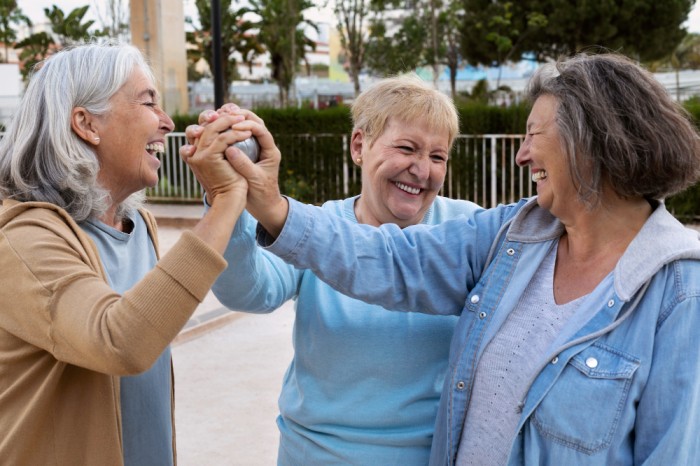
As individuals transition into retirement, the opportunity to take a break from the daily grind is often welcomed. However, health experts emphasize that this phase should not signal the end of engaging in mentally stimulating activities. Keeping physically, socially, and intellectually active is crucial for maintaining brain health and overall well-being during the aging process.
While aging does naturally affect some cognitive functions, significant cognitive decline isn’t an unavoidable consequence. Experts suggest that regular mental exercises, social interactions, and physical activities can help keep the brain active, potentially enhancing memory, attention, and problem-solving skills. Physical exercise, in particular, is vital as it boosts blood flow to the brain, supporting its healthy functioning. Activities like walking, yoga, cycling, or gardening are beneficial for sustaining cognitive health.
Retirement, despite its many advantages, can pose risks if it leads to isolation or a loss of routine and mental engagement. Without daily tasks or opportunities for social interaction and learning, the brain may become less active, possibly impacting cognitive performance over time. To counteract this, experts recommend retirees engage in new hobbies, volunteer work, travel, mentoring, or community involvement. These activities not only provide mental stimulation but also enhance emotional well-being and a sense of purpose.
Maintaining strong social connections is equally critical. Interacting with family, friends, or participating in community groups can bolster communication, memory, and decision-making skills while mitigating the risks of loneliness and depression. Engaging with others ensures that retirees remain connected and mentally active.
Health specialists assert that healthy aging involves more than just avoiding illness; it also involves preserving independence, mental acuity, and quality of life. Staying active, curious, and socially engaged plays a pivotal role in supporting long-term brain health post-retirement. By embracing these activities, retirees can enjoy a fulfilling and mentally vibrant later life.