
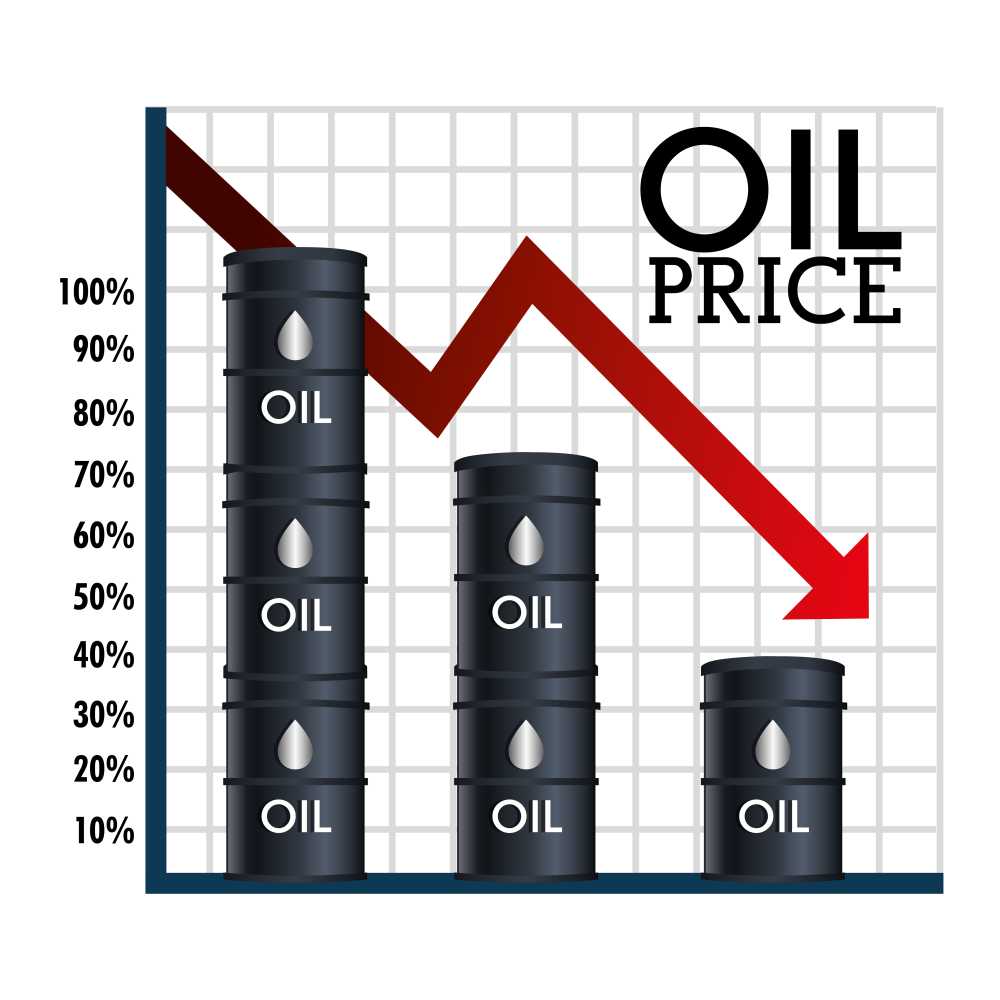
In a significant development, oil prices took a sharp downturn and global stock markets experienced an upswing following President Donald Trump’s announcement that the conflict with Iran could come to a close if Tehran agrees to a deal with the United States. Trump stated on social media that if Iran fulfills previously agreed terms, the long-standing operation “Epic Fury” would conclude, and the strategic Strait of Hormuz would be accessible to all, including Iran. However, he cautioned that failure to reach an agreement would result in intensified military action against Iran.
Trump’s comments arrive in the wake of his decision to temporarily halt the “Project Freedom” initiative, which involves escorting ships through the vital Strait of Hormuz. This waterway is crucial as it handles approximately 20% of the world’s oil supply but has been under Iranian blockade since late February, contributing to a global energy crisis. While Trump declared a brief suspension of the operation to finalize discussions with Tehran, he emphasized that the blockade of Iranian ports would persist. In response, Iran’s Revolutionary Guards’ Navy indicated that safe passage through the strait would be assured, marking their first response to the U.S. pausing its operations.
The market reacted swiftly to these developments, with Brent crude oil prices plunging by 11% to $97 a barrel, marking the first dip below $100 since April 22. This decline follows a significant increase earlier in the week due to heightened tensions in the Middle East. Concurrently, wholesale gas prices saw a reduction, and airline stocks rose, buoyed by improved prospects for international travel. Reports suggesting the U.S. and Iran were nearing an agreement on a one-page memorandum of understanding to end hostilities also contributed to the initial decline in oil prices. However, oil prices later rebounded somewhat, trading down 7.3% at $101.83 a barrel, as Iran dismissed the memorandum as an “American wishlist.”
European stock markets mirrored the positive sentiment, with the UK’s FTSE 100 index climbing by 2%, France’s Cac 40 increasing by 3%, and Germany’s Dax rising by 2.1%. Additionally, MSCI’s All-Country World Index reached a new high, with its emerging markets benchmark and its broad index of Asia-Pacific shares outside Japan also posting gains of 2.5%. These market movements highlight the global economic implications tied to potential de-escalation between the U.S. and Iran.