
In an era of sophisticated medical technology and complex laboratory testing, one of the most revealing health assessments requires nothing more than your hands and a moment of honest self-evaluation. Gastroenterology experts are emphasizing the importance of understanding your abdominal fat texture as a critical indicator of metabolic health and disease risk.
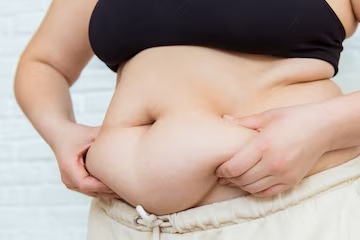
This evaluation is accessible to everyone. Simply place your hands on your abdomen and apply moderate pressure across different areas. If the tissue beneath your hands feels soft, squishy, and easily compressible—similar to pressing into soft foam or fabric—you’re predominantly carrying subcutaneous fat. This type accumulates in the layer between your skin and the underlying abdominal muscles, functioning primarily as energy reserves. Though excessive subcutaneous fat isn’t optimal for overall health, its metabolic impact remains relatively limited.
When your belly feels hard, tight, or drum-like despite obvious protrusion, you’re encountering evidence of visceral fat accumulation. This fat doesn’t gather in the visible superficial layer where you could pinch it. Instead, it fills the deep abdominal cavity, wrapping around and infiltrating your internal organs. Your liver becomes encased in fatty tissue, your pancreas sits embedded in adipose deposits, and your intestines are surrounded by metabolically active fat.
The danger of visceral fat lies in its biological activity. Far from being inert storage, this tissue constantly secretes inflammatory compounds, hormones, and free fatty acids into your bloodstream. These substances create systemic inflammation while interfering with normal insulin signaling pathways throughout your body. Your muscle cells, liver cells, and fat cells all become progressively less responsive to insulin, forcing your pancreas to compensate by producing higher and higher levels. This state of compensatory hyperinsulinemia eventually fails, and blood glucose regulation deteriorates.
Meanwhile, your liver—already struggling to process the excess fatty acids delivered from visceral stores—begins accumulating triglycerides within its own cells, leading to non-alcoholic fatty liver disease that can progress to inflammation, fibrosis, and cirrhosis. Your cardiovascular system bears additional burden as chronic inflammation damages arterial walls and promotes atherosclerosis. Rather than pursuing aggressive weight loss through unsustainable methods, focus on fundamental metabolic healing: adequate protein intake, consistent daily movement, and prioritizing sleep as essential for hormonal balance.
The Simple Belly Check That Predicts Diabetes, Heart Disease, and Liver Damage
Picture Credit: www.freepik.com
5