
A concerted effort by the US and its allies to ratchet up sanctions is successfully squeezing Moscow’s oil revenues in its most important market: China. By targeting both Russian producers and their Chinese customers, the West has triggered a “buyers’ strike” that is choking off a key financial lifeline for Moscow.
The pressure campaign is working. China’s state-owned refiners, Sinopec and PetroChina, have backed away, canceling Russian cargoes. This follows new US sanctions on Rosneft and Lukoil. Simultaneously, the UK/EU blacklisting of a Chinese refiner, Shandong Yulong, has panicked the “teapot” sector, causing them to flee Russian oil.
The impact is severe. Prices for Russian ESPO crude have plunged as demand has evaporated. Rystad Energy AS estimates that 400,000 barrels a day, or up to 45% of China’s Russian oil imports, are affected. This is a major blow to Russia, which had relied on China as its biggest foreign supplier.
Russia secured that top spot by offering deep discounts after its invasion of Ukraine. The West’s new strategy is to make that discount irrelevant by making the risk of purchase too high. The goal is to deprive Russia of the funds needed to continue its war.
This creates an opening for other oil producers, including the US, which recently signed a trade truce with Beijing. The situation is complicated, however, by the fact that the blacklisted Yulong is now increasing its Russian purchases out of necessity, while other teapots are also running low on general import quotas.
Western Allies Ratchet Up Pressure, Squeezing Moscow’s Oil Revenues in Asia
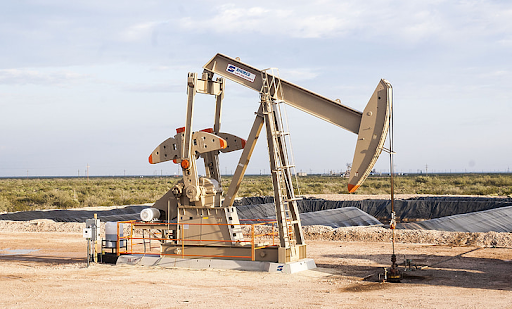
Picture Credit: www.pickpik.com
44