
The latest BP energy outlook validates the company’s recent strategic shift to prioritize oil and gas, projecting that global demand for hydrocarbons will remain high enough to derail the 2050 net-zero target. BP has significantly increased its long-term oil and gas forecasts, a strong signal that the world is experiencing a critical slowdown in its transition to clean energy.
BP’s annual report now projects oil consumption in 2050 to hit 83 million barrels per day (b/d), an 8% increase from the previous 77 million b/d estimate. Natural gas demand is similarly forecast to remain elevated at 4,806 billion cubic meters annually in 2050. Furthermore, the forecast for peak oil demand has been pushed back five years, now expected in 2030 at 103 million b/d, ensuring prolonged high reliance on crude.
The enduring demand is largely attributed to heightened global focus on energy security, intensified by geopolitical factors such as the war in Ukraine, Middle East conflicts, and the increase in trade tariffs. BP’s chief economist highlights that this security-first mentality compels nations to secure domestic supplies. While this might lead to some ‘electrostates’ focused on low-carbon domestic power, the report notes the strong risk of increased preference for domestically produced fossil fuels over imports, thus dragging the global energy transition.
The consequences for climate goals are profound. BP calculates that to meet the 2050 net-zero goal, oil demand must see an aggressive, immediate decline, falling to approximately 35 million b/d by that year. The current slow trajectory, however, risks breaching the cumulative 2∘C carbon budget limit by the early 2040s, significantly escalating the future economic and social costs required for climate mitigation.
Despite the rapid expansion of renewable energy capacity—with wind and solar expected to meet over 80% of new electricity demand by 2035—oil is forecast to remain the single largest source of primary global energy supply, holding a 30% share in 2035. Renewables are set to rise from 10% to 15% of the primary energy supply by 2035 but are not projected to surpass oil until the late 2040s. This finding contextualizes BP’s recent ‘fundamental reset’ to ramp up oil and gas production following investor dissatisfaction and internal leadership changes.
BP’s ‘Fundamental Reset’ Confirmed: Oil and Gas Demand to Defy Net-Zero Through 2050
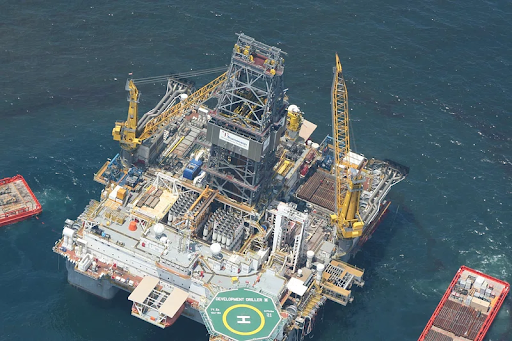
Picture Credit: www.rawpixel.com
64