
A government attempt to control the digital world has ignited a real-world uprising in Nepal, as a proposed bill to regulate social media and a subsequent ban on popular platforms led to deadly protests and political turmoil. The crisis highlights the growing global tension between state control and citizens’ rights to freedom of expression online, and it serves as a stark warning to governments that underestimate the power of a connected populace.
The controversy began with a bill that would require social media companies to register in Nepal and adhere to government regulations, a move critics slammed as a mechanism for censorship. The subsequent ban on several platforms confirmed these fears, particularly for young Nepalis who rely on the internet for news, communication, and political discourse. They viewed the ban as a direct attack on their fundamental rights and mobilized in response.
The protests were not just about abstract principles of freedom; they were deeply personal. The very platforms the government sought to silence were being used to expose uncomfortable truths about corruption and inequality, such as the viral TikToks showing the wealth of politicians’ families. By trying to shut down the conversation, the government inadvertently amplified it, turning an online grievance into a massive street movement.
The fatal outcome, with 19 protesters killed by security forces, has transformed the debate from one about internet regulation to one about the legitimacy of the state itself. The government was forced to backtrack completely, with the prime minister resigning and the ban being lifted. However, the fight for “true freedom,” as one protester put it, is far from over, as the movement now targets the entire political system it holds responsible.
Freedom vs. Control: Nepal’s Bid to Regulate Internet Ignites Uprising
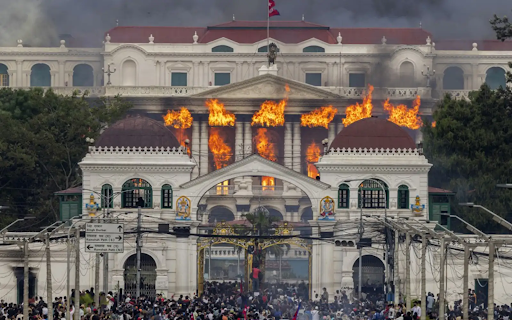
Picture Credit: www.freemalaysiatoday.com
39